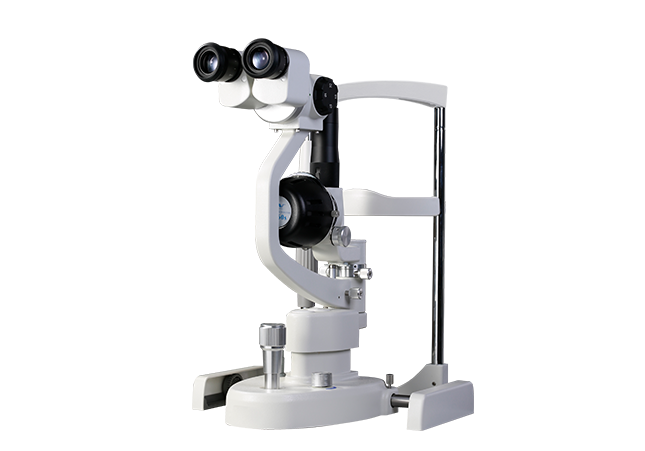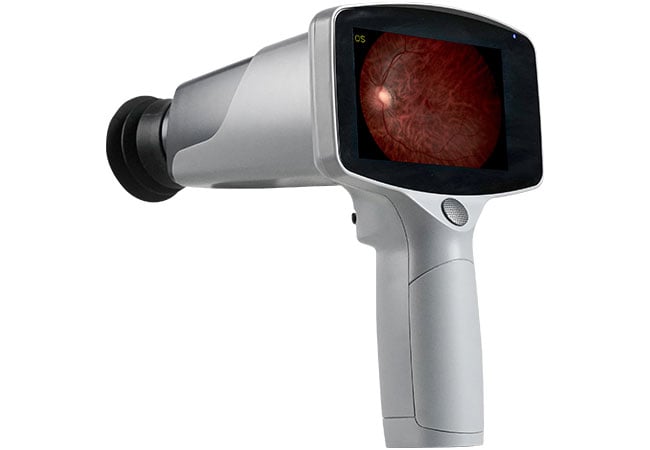
An eye hospital is a type of medical facility where people with problems seeing go for treatment. It is important that eye hospitals use high-quality oct scan eye, so they may properly diagnose problems with the patient’s eyes. In addition to using OCT scanning devices, two primary types of tools are use at eye hospitals, Optical Coherence Tomography (OCT) devices and Perimeter devices. OCT examines the various layers within the eye and is an excellent resource for physicians to see the anatomy of the inside the eye in a detailed way. The perimeter device is used to evaluate a patient’s peripheral vision. When these two tools are used together, it allows eye care professionals to identify problems with the patient’s eyes sooner and provide more effective treatment. This is important for maintaining the viability of the patients eyesight.
As will be discussed below, there are also advanced technological devices that can create a more accurate and reliable testing process. Additionally, these technologies will connect to other testing equipment, such as OCT devices, which will allow for the examination of the overall health of the eye. This will allow us to see how the problems within this area of medicine relate to each other. Finally, the technological advancements found in the hospital will typically be backed by a well-known and respected brand in the AV industry, such as Hongdee. This is extremely important because it allows eye hospitals to provide effective oct eye care to their patients without any interruptions associated with malfunctioning equipment.
OCT is an effective method for assessing many different types of eye diseases, including glaucoma and diabetic retinopathy (my conclusion is that early identification of these types of diseases is paramount). Not detecting an eye disease early will cause permanent loss of eyesight. With the early identification made by the use of OCT, treatments can occur sooner and, therefore, easier on the eye. For example, if we do OCT on an individual who has swollen retinas, the physician can immediately begin treating the individual once he/she gets the information from the OCT exam.
A good example is the use of OCT as a way to check for glaucoma. A patient may have thinner than typical nerve fiber layers, if this is the case; the nerve fiber layer is thinner than would be expected, this indicates a problem. Colour perimeter also helps to determine if a patient is losing their periphery field. Both results work together to give the doctor a very accurate picture of the patient's condition. This in turn results in providing the doctor with more accurate treatment options and good results for the patient. In summary, providing doctors with the best oct optical coherence tomography tools enables better care to patients; as outlined, fixing all of the common barriers to care at Hongdee has created a process that allows all patients to receive the best care available.
There is a constant evolution occurring in the eye care industry concerning the advances made in technology; specifically, for the use of tools, devices, imaging tools etc. Therefore, the advancement of technology (increased speed) will allow physicians to better assist patients in making decisions based upon rapid access to images. Additionally, the increase in the technology will reduce the amount of time required for individuals to be seen in a clinical practice and be involved in their normal lifestyle, along with improving the ability to identify new and/or rapid changes to the individual's eye which will lead to more accurate diagnoses and quicker treatment of the disease process.
We specialize in providing high-quality diagnostic devices, refraction systems, low vision aids, and ophthalmic furniture — all backed by a complete supply chain, strong OEM/ODM service, and a customer-first philosophy.