
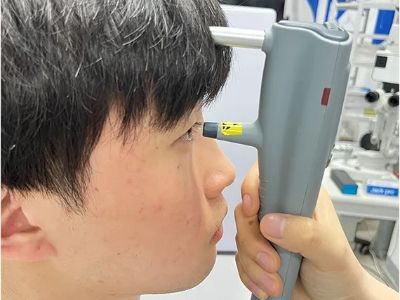
In eye care world, one of the most common goal is to improve people's vision. One device increasingly found in eye clinics is non-contact tonometer. This machine is used to check your intraocular pressure, without touching it at all. This is quite crucial, high intraocular pressure can lead to major health problems, like glaucoma. Eye specialists are nowadays really looking for non-contact tonometer, such as from Hongdee, as this device is more user friendly and not that intimidating for the patients. With growing awareness about importance of eye health, demand for the instruments is booming
What Make Non-Contact Tonometers Must-Haves for Eye Care Providers
Non-contact tonometer got some features that make them real handy in eye care. First off, they quick and easy to operate. Unlike old tonometer that touch the eye, these non-contact ones use an air puff to measure pressure. So patients don't have to stress about any weird feelings. Picture visiting the eye doc and staying calm instead of nervous; that's what these tonometer bring! And they can deliver exact results super fast. Eye care folks can check lots of patients quickly, which let them handle more in a day. This is awesome for crowded clinics. Another big plus is cleanliness. Because they no touch the eye, there's less chance of germ spread. That's key during times when safety matter most. Using these can smooth out the whole process and make it nicer for doctors and patients both. In addition, they usually come with cool stuff like digital screens for easy reading and saving data. This help providers track patient eye health over time. With all that, no surprise non-contact tonometer becoming essential in eye facilities
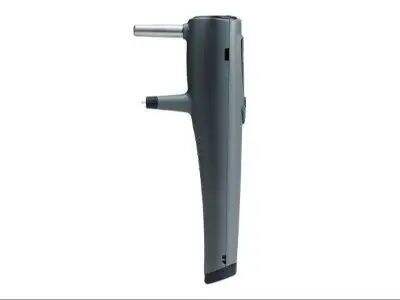
How to Pick the Right Non-Contact Tonometer for Your Eye Care Place
The tonometrer choice seem like a challenging thing to do, but it actually doesn't have to be! Firstly think of how your clinic is situated and how many professionals work there. Small models are better for limited areas but you do have some tonometer that carry additional features and needs space. Then consider the technology that each machine carries. Some tonometer come with features like automatic data storing or linking to other applications/ devices. Those that may assist to the more complex task of managing patients' records are excellent to consider. The aspect of the staff training is also essential, as some models are more complicated than others and need time to be perfected, so team comfort should be an important thing to analyze. Last of all, although cheap machines can attract, it is wise to remember to investigate potential longer-term cost-saving benefits from a durable tonometer. Speak to colleagues in the industry; their experiences may serve as excellent advice and may provide assistance to your decision
What Are Benefits of Non-Contact Tonometers in Routine Eye Checks
Non-contact tonometer are neat devices for eye exams to gauge inside eye pressure. This matter because too much pressure can lead to troubles like glaucoma. A top benefit is they don't contact the eye. Instead, an air puff does the measuring. So patients skip discomfort or hurt, making exams simpler and less scary, specially for children
Another good thing is how fast and simple they are. Pros get results in seconds. This cut exam time and let doctors see more folks daily. These tonometer also accurate a lot. They aid in spotting issues early, which help treat eye problems well
Using non-contact tonometer can boost service at eye facilities. Since tests comfortable, patients likely come back for checks. Good patient ties important, and these make doc visits pleasanter. Hongdee provide quality non-contact tonometer to help clinics serve patients great
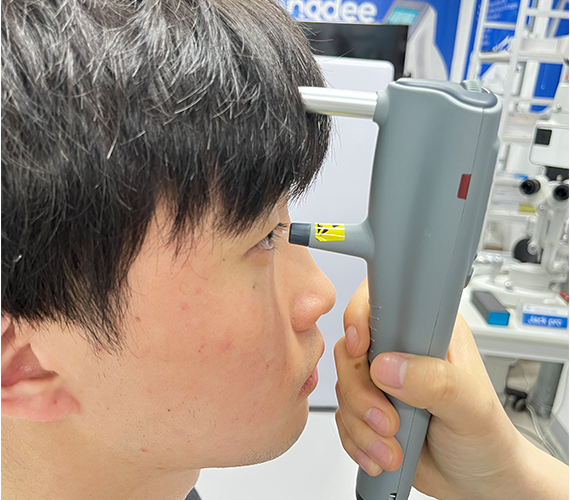
How Non-Contact Tonometers Boost Diagnostic Accuracy in Eye Care
Non-contact tonometer play big role in improving diagnosis accuracy for eye care. Right pressure reads are vital for spotting stuff like glaucoma. Docs using these get spot-on measures without eye touch. This cut error risks from methods that involve contact
The tech in non-contact tonometer improved a bunch over years. Now they use better sensors for true readings. So eye pros can rely on the info. With good data, doctors decide better on patient eye health. For instance, if it show high pressure, doc can suggest more tests or care fast
The growing need for non-contact tonometer in eye facilities come from their perks. They offer ease and precision, better patient feels, and aid pros in smarter choices. Brands like Hongdee lead in quality tonometer that lift eye services